Cute Flower Embroidery Review
As an embroidery designer and product reviewer, I’ve evaluated countless machine embroidery designs. Cute Flower stands out for its charm and versatility, but like any design, it has its strengths and limitations. In this review, I’ll walk through how it performs in real-life projects, what to consider when using it, and where it shines best.
The First Impression: A Delightful Design
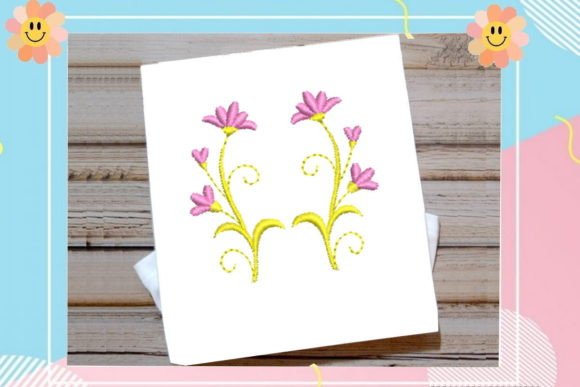
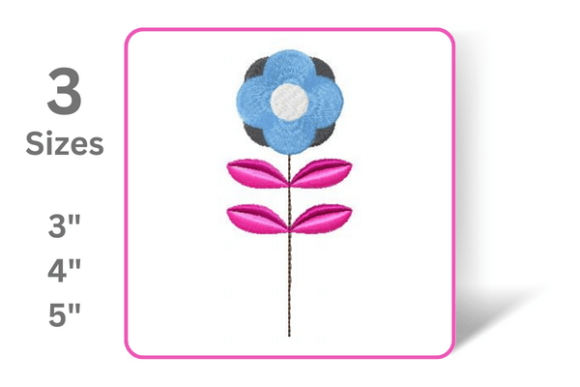
Cute Flower immediately evokes a soft, whimsical mood. The shape is simple yet elegant, with rounded petals and a central center that feels approachable and friendly. The layout is balanced, making it suitable for a wide range of applications. It’s not overly complex, which means it works well for both beginners and experienced embroiderers looking for something quick and charming.
The theme is clearly floral, with a natural, hand-drawn feel that doesn’t lean too heavily into cartoonish or stylized elements. This makes it adaptable to various aesthetics—from rustic home decor to modern apparel. Its visual personality is gentle and inviting, perfect for products aimed at a broad audience, especially those targeting children, weddings, or seasonal gifts.
Real-World Use Cases: Where Does Cute Flower Fit?
One of the first projects I thought of was a custom embroidered tote bag. Cute Flower would look great on a cotton canvas tote, adding a pop of color and a personal touch. It also works well as a sweatshirt embroidery, especially for casual wear or boutique merchandise. The design isn’t too large, so it fits nicely on sleeves, fronts, or even back panels without overwhelming the garment.
For baby items, such as onesies or blankets, Cute Flower adds a sweet, non-threatening element. It could be part of a nursery decor set, like a pillow cover or wall hanging. As a holiday embroidery, it could be used on Christmas stockings or gift tags, offering a subtle yet festive touch.
It also works as an embroidered patch for jackets or bags. The design’s simplicity allows it to stand out without needing excessive detail. For small shop products, like handmade soap wraps or fabric pouches, it adds a polished, professional look that appeals to customers looking for unique, personalized items.
Performance in Different Embroidery Situations
Cute Flower performs well on most standard fabrics—cotton, denim, linen, and light to medium-weight blends. However, it’s important to consider the fabric texture. On textured or rough surfaces, the stitches may not lay as flat, and the design might appear slightly less crisp. For thin or stretchy fabrics, a good stabilizer is essential to prevent puckering or distortion.
On dark fabrics, the thread colors need to contrast well. If the design uses light-colored threads, they may not show up as clearly. Testing on a scrap piece of fabric before committing to a project is always a good idea. Similarly, if you plan to use it on layered garments or curved surfaces like caps, the hoop size and stitching angle matter. A smaller hoop might make it harder to stitch accurately, especially around the edges.
When it comes to stitch density, Cute Flower seems to have a moderate level. It’s not too dense, which helps with fabric drape and comfort, but it still holds up well on most materials. For commercial embroidery projects, this is a plus, as it reduces the risk of fabric damage or thread breakage during repeated washes.
Where to Be Careful: Limitations and Considerations
While Cute Flower is versatile, there are areas where it might not perform as well. On very small hoop sizes, the design could become difficult to stitch accurately, especially around intricate parts. If you’re working on a patch or a small item, ensure your hoop can accommodate the full design without cropping or distorting it.
For products that require frequent washing, such as towels or baby clothes, it’s important to check the durability of the stitches. While the design itself is well-structured, the longevity depends on proper stabilization and high-quality thread. Always test the design on the intended fabric before producing a large batch.
Another consideration is licensing. If you plan to sell finished products or digital embroidery files featuring Cute Flower, confirm the usage rights. Some designs restrict commercial use or require attribution, so it’s wise to verify these details before proceeding.
Impact on Visual Appeal and Customer Perception
Cute Flower enhances the visual appeal of any project it’s used on. Its clean lines and soft curves create a sense of quality and care, which translates to customer trust. When used on handmade products or personalized gifts, it adds a thoughtful, artisanal touch that resonates with buyers.
From a branding perspective, it’s consistent and recognizable. For Etsy sellers or craft business owners, using a design like this can help maintain a cohesive aesthetic across multiple products. It also increases the giftability of items, as the design is universally appealing and easy to incorporate into different themes.
In terms of buyer engagement, Cute Flower is a safe choice. It’s not too bold, nor too subtle, making it suitable for a wide range of tastes. Whether it’s part of a printable mockup for a client or a finished product for sale, it contributes to a professional and polished presentation.
Practical Designer Notes: What to Keep in Mind
Before using Cute Flower in your next project, here are a few practical tips:
- Test on scrap fabric: Always try the design on the actual fabric you plan to use. This helps identify any issues with stitch placement, thread contrast, or fabric behavior.
- Check thread color contrast: Ensure the thread colors work well against your chosen fabric. Light colors may not show up on dark backgrounds, and vice versa.
- Review stitch density: Moderate density is good for most applications, but adjust if needed for specific fabric types or project requirements.
- Confirm hoop size: Make sure your hoop can accommodate the entire design without cutting off any parts.
- Inspect small details: Pay attention to corners and edges. Small details can sometimes get lost or distorted during stitching.
- Test black and white mockups: Sometimes, a design looks better in monochrome. Use this to assess how it will appear on different backgrounds.
- Use proper stabilizer: Stabilizer is crucial for preventing puckering, especially on stretchy or thin fabrics.
- Verify licensing: If selling finished items or digital products, double-check the design’s usage rights.
Cute Flower is a reliable, charming design that offers a lot of value for embroidery designers, small business owners, and crafters. With careful planning and testing, it can elevate a wide range of projects, from custom apparel to holiday gifts. Whether you’re an Etsy seller or a hobbyist, it’s worth considering for its versatility and appeal.