Waratah Embroidery Design Review
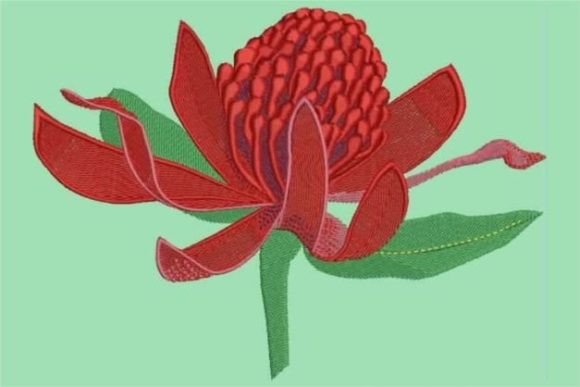
The Waratah embroidery design is a striking choice for craft fair and handmade market products. As a professional embroidery designer, I've evaluated this design with the goal of understanding its potential to sell and stand out in a competitive environment. With its bold red color and unique shape, the Waratah flower has a strong visual presence that can elevate a variety of projects.
First Impressions of the Waratah Design
The Waratah design immediately catches the eye. Its vibrant red hue is both festive and elegant, making it ideal for holiday-themed items or as a standout element in more subdued settings. The design feels modern yet timeless, with a clean structure that works well on different fabrics and sizes. It doesn't feel overly complex, which makes it accessible for both beginner and advanced embroiderers.
Where Waratah Shines in Craft Fair Products
On tote bags, the Waratah design adds a bold focal point that draws attention. It's perfect for a statement piece that customers might want to carry around as a conversation starter. For apron embroidery, the design can be placed at the front or back, offering a touch of sophistication without overwhelming the overall look. Tea towel embroidery with the Waratah design would make a great addition to kitchen décor, especially during the holiday season.
- Tote bag design: Ideal for large-scale placement, the Waratah stands out and can be paired with other elements for a layered look.
- Apron embroidery: A smaller version of the design works well as an accent, adding a pop of color and interest.
- Tea towel embroidery: The design’s clarity makes it suitable for medium-sized placements, enhancing the aesthetic of any kitchen space.
- Embroidered patch: The Waratah design translates well into patches, making it a versatile option for jackets, bags, or accessories.
- Fabric pouches: A small Waratah on the front of a pouch adds a personal touch and can be used as a gift item.
Waratah on Different Fabric Types
When working with fabric texture, the Waratah design holds up well on smooth materials like cotton or linen. However, on textured towels or thick fabrics, some details may become less visible. For curved surfaces like caps, the design may require slight adjustments to maintain its shape and clarity. Dark fabrics can enhance the vibrancy of the red color, while lighter colors might dull the impact of the design.
Practical Selling and Production Considerations
The Waratah design is easy to understand at a glance, which is crucial for a craft fair booth where customers often make quick decisions. It can work as a small accent or a larger focal point, depending on the product. When photographing for online listings, the design's contrast and color make it visually appealing, helping to attract potential buyers. For batch production, the design is repeatable and efficient, making it a good choice for small shop products and Etsy sellers.
Careful-Use Notes for the Waratah Design
While the Waratah design is generally straightforward, there are a few considerations to keep in mind. Dense stitch areas may require extra stabilizer to prevent puckering. Tiny details could be lost if the design is scaled down too much. On thick fabrics or textured towels, the design might not show as clearly. When using dark fabric, ensure that the thread colors provide enough contrast. Always test the design on scrap fabric before committing to a full production run.
How Waratah Enhances Visual Appeal and Customer Engagement
The Waratah design adds visual appeal to any product it's featured on. Its bold red color commands attention, making it a strong contender for booth display strength. Customers are likely to notice and remember this design, especially when it's used consistently across different products. As a handmade product, the Waratah design reinforces brand consistency and can help build a recognizable identity for your craft fair stall or online store.
Embroidery Designer Tips for Working with Waratah
To ensure the best results with the Waratah design, follow these practical steps:
- Test the design on scrap fabric: This helps identify any issues with stitch density or fabric compatibility.
- Check thread contrast: Ensure that the chosen thread colors complement the fabric and highlight the design's features.
- Review spacing: Adjust spacing if the design appears too tight or too loose on the selected fabric.
- Confirm hoop size: Make sure the design fits within the hoop size you're using for your machine.
- Inspect stitch density: Avoid overly dense areas that could cause fabric distortion or pilling.
- Use the right stabilizer: Proper stabilizer support ensures a clean and professional finish.
- Create at least one real mockup: Seeing the design on actual fabric helps assess how it will look in the marketplace.
- Compare fabric colors: Choose fabrics that enhance the Waratah's color and visibility.
- Confirm commercial licensing: Before selling finished products, verify that the design allows for commercial use.
Final Thoughts on the Waratah Design
The Waratah embroidery design is a valuable addition to any craft fair product lineup. Its bold color, clear structure, and versatility make it a strong candidate for a wide range of handmade items. Whether you're an Etsy seller, a boutique maker, or a commercial embroidery business, the Waratah design offers a mix of aesthetics and practicality that can boost sales and customer engagement. By following the tips outlined here, you can ensure that your Waratah-based products stand out and perform well in both physical and digital markets.